The idea of building a property from scratch is an exciting prospect. But how do you pay for it? Enter the self-build mortgage.
This is a financial tool tailored for those looking to construct their own homes. Understanding this mortgage type is crucial for aspiring homeowners looking to build their properties. This can be a more personalised and cost-effective path onto the property ladder.
Understanding Self-Build Mortgages
The concept of a self-build mortgage is different from the traditional residential mortgage. It’s a loan specifically designed to fund the construction of a property. What sets it apart is the phased disbursement of funds. With standard mortgages, where funds are released as a lump sum. Self-build mortgages are different. Funds are distributed at various stages of the build process.
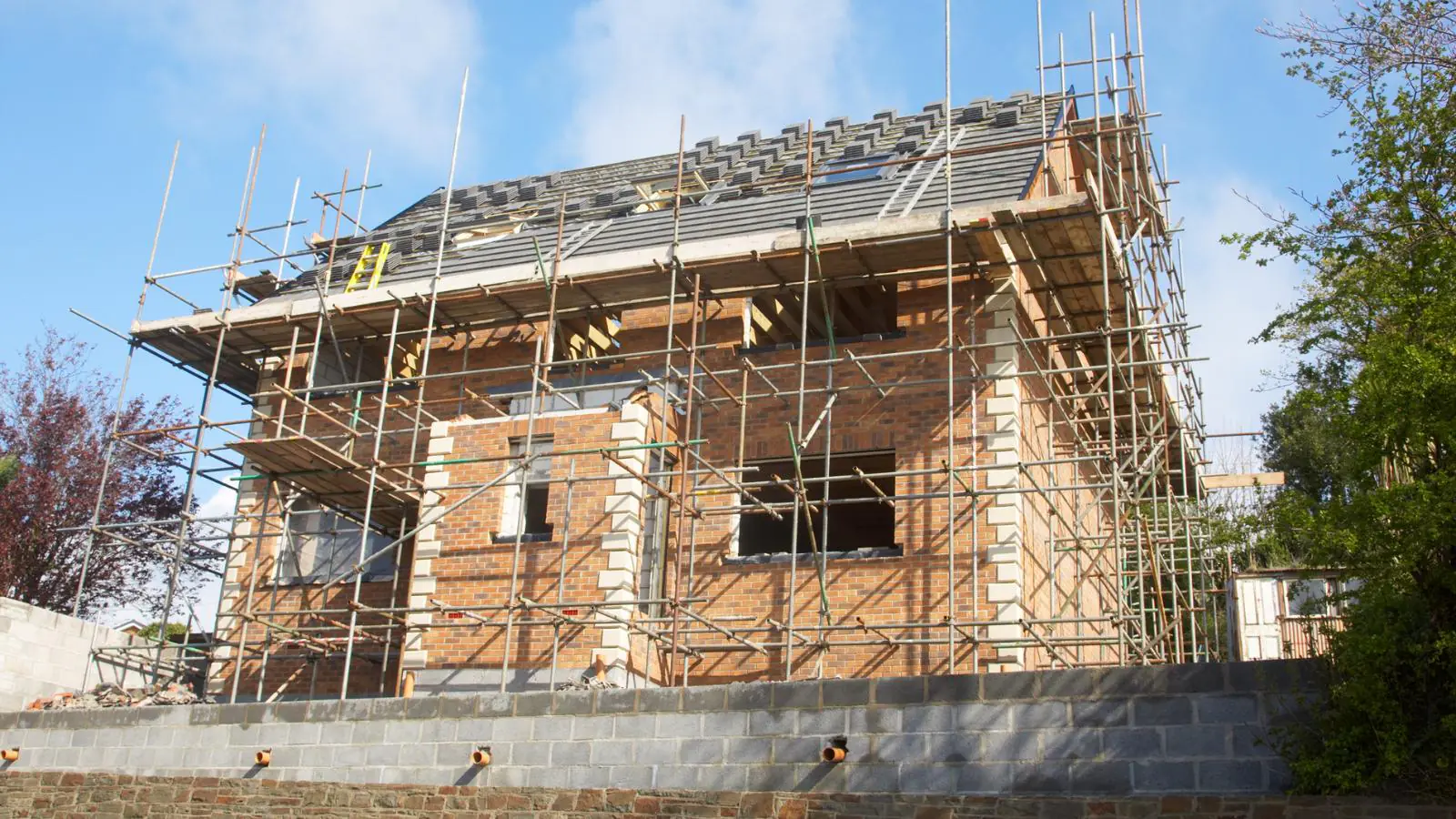
This phased approach mitigates the lender’s risk. Ensuring that the allocated funds align with the planned stages of construction. Disbursements usually start with the purchase of the land. Continuing as construction progresses. After laying foundations, reaching the eaves level, securing the roof, and ultimately, completion.
Eligibility and Advantages
Self-build mortgages can come across as a more appealing route. Especially for first-time buyers seeking a more affordable entry into homeownership. The release of funds in stages minimises the financial burden during the build. Enabling homeowners to manage costs more effectively. Preventing cash flow shortages midway through the project.
These mortgages offer distinct advantages. Including potential savings on stamp duty. There is potential for cost-efficiency. And the prospect of achieving a higher property value upon completion.
Pros of Self-Build Mortgages:
Potential Stamp Duty Savings:
Self-build projects might offer savings on stamp duty. Compared to buying a ready-built property.
Cost Efficiency with Planning:
Meticulous planning can lead to cost savings. Allowing homeowners to maximise their budget and potentially increase the property’s value.
Higher Property Value:
Upon completion, a self-built property may have a higher value compared to its cost. Offering a potential return on investment.
Phased Funding Release:
The staged release of funds minimises financial burden. Enabling better management of costs during various construction phases.
Cons of Self-Build Mortgages:
Risk of Financial Loss:
Projects can face unforeseen complications or exceed budget. This can lead to potential financial losses.
Large Deposits and Higher Interest Rates:
Initial deposits for self-build mortgages can be higher than normal. And interest rates might be higher compared to standard mortgages.
Time-Consuming Nature:
Overseeing a self-build project demands significant time and attention. This extends from planning to completion.
Complex Application Process:
The application requires meticulous planning. You will need detailed plans and projections, that follow lender requirements.
Securing a Self-Build Mortgage: Key Considerations
Acquiring a self-build mortgage demands meticulous planning and comprehensive preparation. Lenders scrutinise the viability of your project. They will need detailed projections of costs, plans, timeframes, risk assessments, and contingency plans. A thorough breakdown of budget allocations is essential for your application.
Lenders may stipulate using conventional building materials to help post-construction valuations. Ensuring compliance with planning conditions and obtaining necessary permits for the desired structure. Some lenders may require professional supervision of the project by architects or consultants.
Much of the lender’s consideration will centre around your perceived ability to be able to deliver the build and many lenders will insist on there being a build contract in place, such as a JCT (Joint Contracts Tribunal) which facilitates the process of constructing buildings within a perceived timescales, and for a set price. In many circumstances, experience (or lack thereof) can determine which lender may accept your applications, depending on the level that you can demonstrate.
Your Dream Home Construction
A self-build mortgage allows aspiring homeowners to realise their dream properties. By planning, effectively individuals can navigate the complexities of self-build projects.
If you are looking for advice on your eligibility for a self-build mortgage application call our team on 01782 617600 or send us an email at info@signaturefs.com.