What Is Rental Yield?
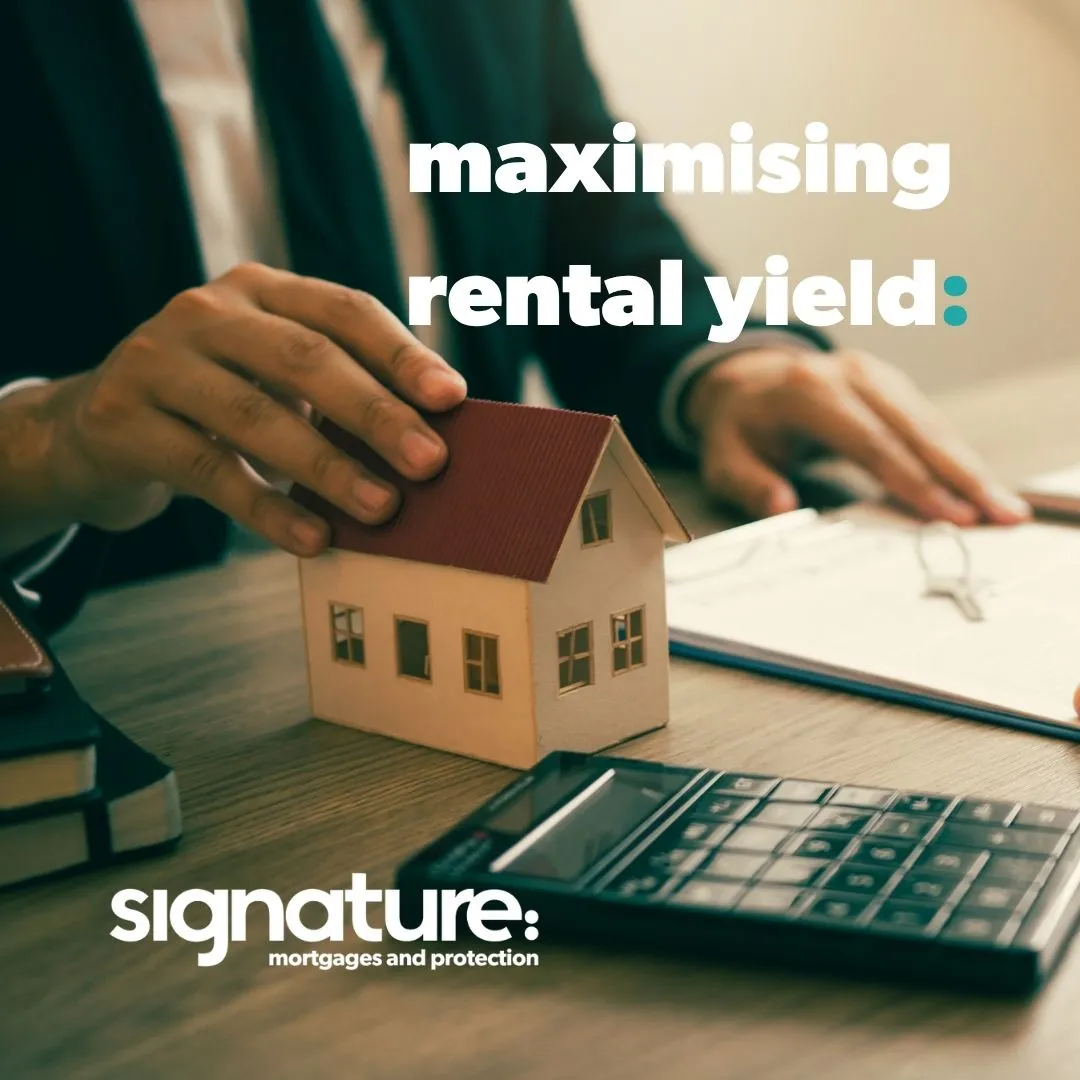
Rental yield shows the rental income generated by a property as a percentage of its value or purchase price.
How to Calculate Gross Rental Yield
Annual rental income ÷ property value × 100 = gross rental yield
For example, if a property worth £200,000 generates £1,000 per month in rent:
£12,000 ÷ £200,000 × 100 = 6% gross rental yield
This gives you a useful headline figure for comparing potential investments.
However, gross yield doesn’t tell the whole story.
Gross Yield vs Net Rental Yield
Gross rental yield measures rental income before property-related costs.
Net rental yield provides a more realistic indication of investment performance because it considers relevant ongoing expenditure.
Depending on the property, these costs could include:
- Mortgage interest
- Letting and management fees
- Maintenance and repairs
- Landlord insurance
- Service charges and ground rent, where applicable
- Safety inspections and certificates
- Periods when the property is empty
- Other property-related expenses
A property offering an attractive gross yield could therefore produce a much lower return once its actual running costs are considered.
1. Choose the Right Location
Location remains one of the biggest influences on rental demand.
Rather than simply looking for the cheapest property available, consider what makes tenants want to live in a particular area.
Factors can include:
- Employment opportunities
- Transport links
- Schools
- Universities
- Hospitals
- Shops and local amenities
- Regeneration and investment
- Supply of competing rental properties
Strong tenant demand can help landlords achieve sustainable rents while potentially reducing costly void periods.
Remember that the highest-yielding location isn’t automatically the best investment. Property condition, tenant demand, potential capital growth, management requirements and your wider investment strategy should all be considered.
2. Understand Your Target Tenant
Before buying or improving an investment property, think carefully about who is likely to rent it.
Different properties and locations attract different tenants, including:
- Young professionals
- Families
- Students
- Couples
- Corporate tenants
- Retirees
Understanding your target market can help determine the right property, specification and rental level.
For example, a family may value schools, storage and outside space, while professionals may place greater importance on transport links, broadband connectivity and low-maintenance accommodation.
Rather than creating a property that appeals to everyone, concentrate on what your likely tenant actually wants.
3. Make Improvements That Add Rental Value
Renovating a property can increase its appeal and potentially justify a higher rent — but landlords should avoid spending money simply for the sake of it.
Improvements that may add value include:
- Modern kitchens and bathrooms
- Neutral, good-quality decoration
- Improved flooring
- Better storage
- Energy-efficiency improvements
- Improved lighting
- Attractive, low-maintenance outside space
- Reliable heating and modern appliances
Before committing to major works, consider the likely increase in rent against the cost of the improvement.
Spending £15,000 on improvements to achieve an additional £25 per month in rent is unlikely to make sense purely from a rental-yield perspective.
The aim should be to invest where tenants see value — not to over-improve beyond the expectations of the local rental market.
4. Keep Void Periods to a Minimum
An empty property generates no rental income, but many of its costs continue.
Even a relatively short void can materially affect your annual yield.
For example, a property generating £1,000 per month produces £12,000 annually when occupied for the full year.
A two-month void reduces that rental income to £10,000 before any additional costs are considered.
Landlords can potentially reduce void periods through:
- Realistic rental pricing
- Maintaining the property to a good standard
- Responding quickly to maintenance issues
- Starting remarketing before an existing tenancy ends, where appropriate
- Understanding local tenant demand
- Building good relationships with reliable tenants
Sometimes retaining an excellent tenant at a sustainable rent can be more valuable than continually pursuing the maximum possible monthly figure.
5. Review Your Buy-to-Let Mortgage
Your mortgage is potentially one of the largest costs associated with a leveraged property investment.
That makes regularly reviewing your financing important.
Depending on your circumstances, considerations may include:
- Interest rate
- Product fees
- Loan-to-value (LTV)
- Fixed versus variable rates
- Early repayment charges
- Interest-only versus repayment
- Personal versus limited company borrowing
- Lender rental coverage requirements
- Future refinancing plans
Importantly, the mortgage with the lowest headline interest rate isn’t necessarily the cheapest or most appropriate option overall.
Arrangement fees, valuation costs, legal fees, incentives and the period you expect to retain the mortgage should also be considered.
A mortgage adviser can compare these factors and help identify an appropriate solution based on your circumstances and objectives.
6. Control Your Property’s Running Costs
Rental yield isn’t only improved by increasing income.
Reducing unnecessary expenditure can also improve the performance of an investment.
Landlords should periodically review costs such as:
- Insurance
- Property management
- Maintenance contracts
- Service charges
- Mortgage costs
- Utilities for which the landlord is responsible
However, reducing costs shouldn’t mean neglecting maintenance.
Delaying necessary repairs can result in larger bills later and may affect tenant satisfaction, property condition and your legal obligations as a landlord.
7. Review the Rent — But Understand the Market
Rental values can change over time, so landlords should periodically compare their property’s rent with similar properties in the local area.
Consider:
- Comparable properties currently available
- Property condition
- Location
- Tenant demand
- Length and quality of the existing tenancy
- Current legal requirements surrounding rent increases
Increasing rent can improve gross yield, but pushing it beyond a sustainable market level could result in a good tenant leaving and create an expensive void period.
The objective should be a sustainable market rent, rather than simply the highest figure possible.
8. Don’t Forget the Effect of Tax
Tax can significantly affect the overall return from property investment.
The tax position can vary depending on factors including how a property is owned, the investor’s individual circumstances and whether the property is held personally or through a limited company.
Tax treatment can also change.
Mortgage advisers do not provide tax advice unless separately qualified to do so. Landlords should therefore obtain advice from a suitably qualified tax professional before making decisions based on potential tax advantages.
Mortgage and tax advice can then work alongside one another when considering the appropriate financing structure.
9. Look Beyond Rental Yield
Rental yield is important, but it shouldn’t necessarily be considered in isolation.
A property investment may also need to be assessed in terms of:
- Potential capital growth
- Cash flow
- Return on capital invested
- Financing costs
- Tax
- Maintenance requirements
- Tenant demand
- Liquidity
- Regulatory requirements
- Your long-term investment objectives
For example, one property might produce a higher rental yield but require significantly more management and maintenance.
Another could offer a lower initial yield but suit an investor’s longer-term objectives.
There isn’t a single figure that determines whether a property is a good investment.
Common Rental Yield Mistakes to Avoid
Some of the most common mistakes landlords can make include:
- Focusing only on gross yield
- Underestimating maintenance costs
- Failing to allow for void periods
- Over-improving a property
- Choosing finance based solely on the headline rate
- Failing to review an existing mortgage
- Setting unrealistic rents
- Ignoring changing landlord regulations
- Making investment decisions based purely on potential tax treatment
- Failing to maintain an adequate contingency fund
A realistic investment appraisal should consider both expected income and the costs and risks associated with generating it.
How Signature Mortgages & Protection Can Help
The right mortgage can play an important part in the overall performance of a buy-to-let investment.
At Signature Mortgages & Protection, we can help landlords explore available buy-to-let mortgage options and consider factors including:
- Mortgage rates and overall borrowing costs
- Loan-to-value requirements
- Rental coverage calculations
- Product fees
- Remortgaging existing buy-to-let properties
- Raising capital, where appropriate
- Limited company buy-to-let options
- Portfolio financing requirements
- Planning ahead for future refinancing
Where a case becomes more complex or falls outside mainstream buy-to-let lending, specialist property finance options may also be available.
Looking to Review Your Buy-to-Let Mortgage?
Whether you’re purchasing your first rental property, reviewing an existing mortgage or expanding a portfolio, understanding the true cost of your finance is an important part of assessing your investment.
Speak to Signature Mortgages & Protection to discuss your buy-to-let mortgage requirements and explore the options available to you.
Frequently Asked Questions
What is a good rental yield in the UK?
There isn’t one rental yield that is automatically considered “good”. Yields vary considerably by property type, location, purchase price and tenant market. Investors should consider net costs, financing, risk and their wider objectives rather than comparing gross yield alone.
How do I calculate rental yield?
Divide the property’s annual rental income by its value or purchase price and multiply the result by 100. This gives the gross rental yield.
Can remortgaging improve my rental return?
Potentially. If a landlord can reduce the overall cost of borrowing, this could improve property cash flow. However, interest rates, arrangement fees, early repayment charges and other costs need to be considered before deciding whether refinancing is worthwhile.
Does a higher rent always mean a better rental yield?
Not necessarily. An unrealistic rent may increase the risk of longer void periods or tenant turnover. Sustainable rental income and occupancy can be more important than achieving the highest possible advertised rent.
Should I use an interest-only mortgage for buy-to-let?
Many buy-to-let landlords use interest-only mortgages because monthly payments can be lower than an equivalent capital repayment mortgage. However, the original capital remains outstanding and must ultimately be repaid. The appropriate repayment method depends on your circumstances, objectives and repayment strategy.
Can I get a buy-to-let mortgage through a limited company?
Yes, a range of lenders offer buy-to-let mortgages to special purpose vehicle (SPV) limited companies. Rates, fees, lending criteria and tax treatment can differ from personal ownership, so both appropriate mortgage and independent tax advice should be considered before deciding how to structure an investment.
Your property may be repossessed if you do not keep up repayments on your mortgage.
The Financial Conduct Authority does not regulate most Buy to Let Mortgages.
Tax treatment depends on individual circumstances and may be subject to change. Seek independent tax advice where appropriate.